

Buddhist Federation of Australia : ค้นหาหนังสือธรรมะ หน้า 10 / 77
หน้าหนังสือทั้งหมด
5
Understanding Kamma and Buddhist Practices
The event begins after Buddhist Lent and continues for one month.
กรรม kamma; karma; action; deed; willed action; an intentional action that has future consequences, including future reboots; th
This text delves into the fundamental concept of kamma (karma) in Buddhism, emphasizing that every intentional action we perform leads to future consequences. The Buddha defines kamma as volition (cet

6
Clear-minded Youths: The Dhamma for Teenagers
Preface
Clear-minded Youths (The Dhamma for teenagers) has 6 stories about Buddhist children in Lord Buddha Period. There are Buddhist and non-Buddhist children.
For studied about how to build the r
Clear-minded Youths (The Dhamma for teenagers) presents six engaging stories about Buddhist and non-Buddhist children from the Lord Buddha's era. The book aims to cultivate religious faith among child
54
The Story of Culasubhadda
4
The Story of Culasubhadda
While residing at the Jetavana monastery, the Buddha uttered Verse (5) of this chapter, with reference to Culasubhadda the daughter of Anathapindika.
Anathapindika and U
The story revolves around Culasubhadda, the daughter of Anathapindika, who faced challenges in her marriage due to her parents-in-law's non-Buddhist beliefs. Living in the house of Ugga's family, she
3
The Relationship between Jātaka Stories in Buddhist Scriptures and Bharhut Stupa Sculptures
The Relationship between Jātaka stories in Buddhist Scriptures and Those in Sculptures of Bharhut Stupa
Pramaha Pongsak THANIO
Abstract
This paper presents a study on the relationship between Jātaka
This study delves into the intricate relationship between the Jātaka stories found in Buddhist scriptures and the sculptures at Bharhut stupa. It identifies that many of these sculptures are rooted in
23
ธรรมวาจาสิวิชาชีพทางพระพุทธศาสนา ปีที่ 4 ฉบับที่ 6 ปี 2561
114 ธรรมธรรม
วาจาสิวิชาชีพทางพระพุทธศาสนา ปีที่ 4 ฉบับที่ 6 ปี 2561
BAREAU, André.
2013 The Buddhist Schools of the Small Vehicle. translated
by Sara Boin-Webb. edited by Andrew Skilton.
Lon
เอกสารนี้นำเสนอการศึกษาพระพุทธศาสนาและความสำคัญในประวัติศาสตร์ผ่านข้อมูลจากหนังสือและบทความทางวิชาการ เช่น "The Buddhist Schools of the Small Vehicle" โดย André Bareau และผลงานอื่นๆ ที่ให้ความรู้เกี่ย
3
Establishment of Rules in the Pāṭimokkha
Abstract:
When Were the Rules in the Pāṭimokkha Established?
by THANAVUDDHO BHIKKHU
Many modern scholars in both the East and West share the view that most of the content in the Vinayapitaka, t
This article by THANAVUDDHO BHIKKHU discusses the establishment of monastic rules in the Pāṭimokkha, challenging the view that these rules were developed post-Buddha. Through comparative studies of va
61
The Pali Language and the Theravadin Tradition
NORMAN, K.R.
1983 “The Pali Language and the Theravadin Tradition.”
A History of Indian Literature: 1-2, edited by Jan Gonda. Wiesbaden: Otto Harrassowitz.
PEW Research Center.
2017 “World Bu
This text discusses the significance of the Pali language within the Theravadin Buddhist tradition. It examines its historical roots, literary contributions, and the ongoing impact on Buddhist practic
16
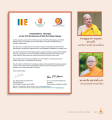
Congratulations on the 55th Anniversary of Wat Phra Dhammakaya
Congratulations Message
on the 55th Anniversary of Wat Phra Dhammakaya
On this auspicious occasion of the 55th Anniversary of Wat Phra Dhammakaya, the World Buddhist Sangha Youth (WBSY) and the World
On the 55th Anniversary of Wat Phra Dhammakaya, the World Buddhist Sangha Youth (WBSY) and the World Alliance of Buddhists (WAB) congratulate the temple for its enduring impact on Buddhism globally. B
16
Understanding the Dhammacakka Pavattana Sutta
emonies. This is especially true of the ceremonies held on Asālha Pūjā Day, when it is a traditional duty for Buddhist monks to celebrate the anniversary of the preaching of the Dhammacakka Pavattana
The Dhammacakka Pavattana Sutta holds significant importance in Buddhist ceremonies, especially during Asālha Pūjā Day when monks chant it for laypeople's benefit. Unfortunately, finding unabridged co
236
Glossary of Buddhist Terms
Akiṇiṭṭhā (P. Realm of Supreme anurakkhāṇa-paddhāṇa (maintre Brahmas: see form Brahmā
akusalahamma (see unwhole- anusayā (see subtle defilements)
someness) apilapanasati (see monitoring as- alābha (se
This glossary provides definitions and explanations of essential Buddhist terms, including various realms, states of mind, and notable figures. Key concepts such as Anāgamī (non-returner), anatta (not
139
Untitled
Nirvana — the ultimate goal of Buddhist endeavour — Ultimate Bliss, Eternity and True Self, release from defilements and Samsara.
Pali — the ancient Indian language used to record the scriptures of th
No summary available due to lack of content.
3
การจัดการองค์กรในวัดพระธรรมกายเพื่อสร้างสันติภาพ
**Abstract**
This research has 3 objectives which are 1) to study the current state of the organization management of Wat Phra Dhammakaya 2) to analyze the state of the internal organization manageme
การวิจัยนี้มี 3 วัตถุประสงค์ ได้แก่ ศึกษาสถานะปัจจุบันของการจัดการองค์กรของวัดพระธรรมกาย วิเคราะห์การจัดการองค์กรภายในตามหลักการของสันติภาพ และนำเสนอโมเดลการจัดการองค์กรในวัดพระพุทธศาสนาสำหรับสันติภาพ

58
การศึกษาภาษา pali และการปฏิบัติธรรม
Moreover, Nicholas studied Pāli
Language informally with a group of his
friends for nearly a year, including some
aspects of Phra Abhidhamma study in
England.
MEDITATION LEADS TO BUDDHIST
FAITH
Nichol
Moreover, Nicholas studied Pāli Language informally with a group of his friends for nearly a year, including some aspects of Phra Abhidhamma study in England. MEDITATION LEADS TO BUDDHIST FAITH Nichol

71
ความประทับใจในวัดพระธรรมกาย
"more than very friendly", "and
more than very respectable".
Mr. Yoke Beng has also been
impressed by the temple. He added
that;
"This temple grows very fast, I
think, because it has been well-or-
gan
"more than very friendly", "and more than very respectable". Mr. Yoke Beng has also been impressed by the temple. He added that; "This temple grows very fast, I think, because it has been well-or- gan

134
หลักสำคัญในพระพุทธศาสนา
A&B
สนทนาธรรมยามว่าง
โดย ดวงธรรม
ธรรมสำคัญในพระพุทธศาสนา
Fundamentals of Buddhism
A: There are so many discourses in Buddhist scrip-
tures. What discourse is regarded as the funda-
mental teaching of
A&B สนทนาธรรมยามว่าง โดย ดวงธรรม ธรรมสำคัญในพระพุทธศาสนา Fundamentals of Buddhism A: There are so many discourses in Buddhist scrip- tures. What discourse is regarded as the funda- mental teaching of

69
ใบประกาศเกียรติคุณจากต่างประเทศ
ทาร์ซี Association for the Protection of Afghan Archaeology, USA /
โบราณคดีอาฟกานิสถาน ประเทศสหรัฐอเมริกา
สมาคมเพื่อการพิทักษ์
๔๐. ใบประกาศเกียรติคุณและจดหมาย จาก Dr. Wendy Nickerson / ดร. เวนดี นิคเอ
ทาร์ซี Association for the Protection of Afghan Archaeology, USA / โบราณคดีอาฟกานิสถาน ประเทศสหรัฐอเมริกา สมาคมเพื่อการพิทักษ์ ๔๐. ใบประกาศเกียรติคุณและจดหมาย จาก Dr. Wendy Nickerson / ดร. เวนดี นิคเอ

51
การปฏิบัติสมาธิ
and the fear. Thus we reach nearer and
the nearer to the state of Nibbana.
The meditation (Samadhi) practice
is the way to attain the highest bliss
Nibbana which is free from any fear and
the attachme
and the fear. Thus we reach nearer and the nearer to the state of Nibbana. The meditation (Samadhi) practice is the way to attain the highest bliss Nibbana which is free from any fear and the attachme

70
หนังสือ Ancient Buddhist Scrolls from Gandhara
หนังสัอเทศ - หนังทียอารม
เปิดโลกทัศน์หนังสือต่างประเทศที่เกี่ยวกับพุทธศาสนา
อรุณลักษณ์ ไชยนันทน์
Ancient
Buddhist
Scrolls
from
Gandhara
The British Library
Kharoşthi Fragments
RICHARD
SALOMON
Ancient
Scrolls from Gandhara The British Library Kharoşthi Fragments RICHARD SALOMON Ancient Buddhist Scrolls from Gandhara คัมภีร์พุทธศาสนาที่มีอายุเก่าแก่ที่สุดในโลก หนังสือที่ยิ่งใหญ่จะต้องเป็นหนังสือที่น
99
ทอดกฐินสามัคคีในประเทศเบลเยี่ยม เยอรมนี และฝรั่งเศส
ทอดกฐินสามัคคี ประเทศเบลเยี่ยม
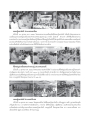
เมื่อวันที่ ๑๙ ตุลาคม พ.ศ. ๒๕๕๑ วัดพระธรรมกายเบลเยียมจัดพิธีทอดกฐินสามัคคี เพื่อสร้างวัดพระธรรมกาย
เบลเยี่ยมและร่วมหล่อรูปเหมือนทองคำพระเดชพระคุณหลวงปู่ ภาคเช้า นั่งสมาธ
ในวันที่ 19 ตุลาคม 2551 วัดพระธรรมกายเบลเยียมได้จัดพิธีทอดกฐินสามัคคี โดยมีผู้เข้าร่วมจากเบลเยี่ยม เนเธอร์แลนด์ และประเทศใกล้เคียง, ขณะที่ในวันที่ 10 ตุลาคม 2551 วัดพระธรรมกายแฟรงก์เฟิรต์ได้ร่วมพิธีหล
206
Zen in the Art of Archery
สำคัญชื่อ Zen in the Art of Archery ซึ่งเป็นหนังสือที่ได้รับความนิยมมากติดอันดับ bestseller
ติดต่อกันนานกว่า 40 ปี หนังสือเล่มนี้เริ่มต้นจากเมื่อครั้งที่ ยูเอ็น เฮอริเกิ้ลไปสอนวิชาปรัชญา
ที่ประเทศญี่ป
หนังสือ 'Zen in the Art of Archery' เขียนโดย ยูเอ็น เฮอริเกิ้ล ได้รับความนิยมในเยอรมนีเป็นเวลา 40 ปี โดยมีเนื้อหาที่ผสมผสานระหว่างการฝึกฝนเซนและการยิงธนู ซึ่งสอดคล้องกับความสนใจในพระพุทธศาสนาเซนที่เพิ